













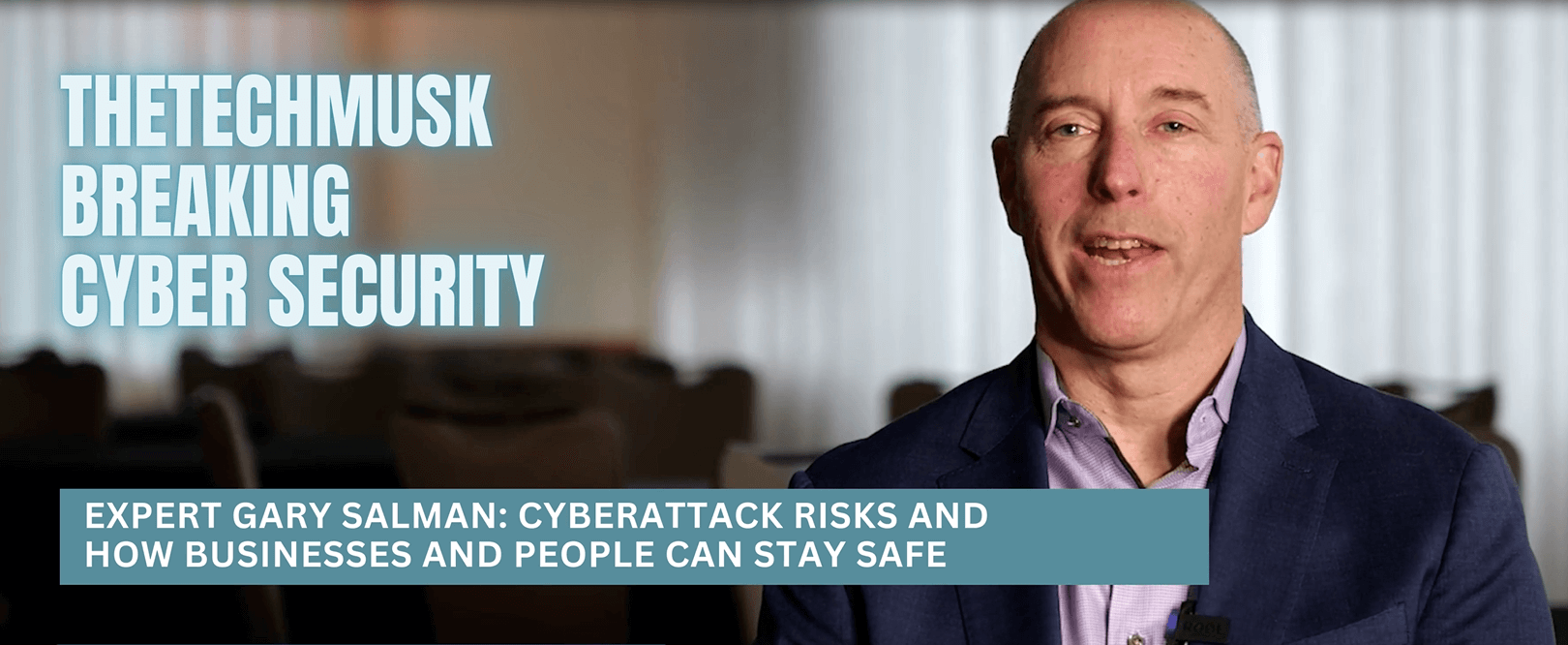
Cybersecurity threats are escalating as global instability collides with increasingly sophisticated attack techniques, and businesses of all sizes are now in the crosshairs.
Ransomware gangs remain a major risk, but security experts say the threat environment has widened to include nation-state–linked hackers and AI-powered attack tools capable of scanning for vulnerabilities at scale. The result: faster, more targeted breaches that can overwhelm organizations with limited security resources.
Gary Salman, CEO and co-founder of Black Talon Security, says AI is rapidly shifting the balance in favor of attackers.
“Threat actors are no longer relying solely on manual techniques,” Salman said. “AI is being used to identify weak points faster than many organizations can patch them.”
AI raises the stakes for defenders
According to Salman, the use of AI in cybercrime is compressing the timeline between vulnerability discovery and exploitation. That makes basic cyber hygiene, employee training, and incident preparedness more critical — and less optional — than ever.
Black Talon Security currently monitors and secures more than 55,000 computers and networks worldwide, working across industries including healthcare, legal services, and finance. Salman says many breaches the firm responds to still stem from familiar weaknesses: phishing attacks, unpatched systems, and poor access controls.
“The technology evolves, but the entry points often stay the same,” he said. “Attackers are just getting faster and more automated.”

Budget constraints don’t eliminate risk
One of the biggest misconceptions Salman encounters is that strong cybersecurity requires enterprise-level budgets. In reality, he argues, prioritization and training often matter more than expensive tools.
Employee awareness remains a major gap, particularly as phishing campaigns become more convincing with AI-generated language and personalization. Salman notes that organizations that invest in ongoing staff training and clear response plans tend to limit damage even when breaches occur.
From breach prevention to damage control
Salman also specializes in incident response and breach remediation, having guided hundreds of organizations through ransomware attacks and data exposure events. He says the difference between a costly incident and a catastrophic one often comes down to how quickly a company recognizes and contains the breach.
Notably, Salman brings a dual perspective to the issue: alongside his cybersecurity work, he also serves as a Deputy Sheriff, giving him direct experience with law enforcement investigations tied to digital crime.
“That intersection between technology and law enforcement is becoming more important,” Salman said. “Cyberattacks are no longer just IT issues — they’re legal, financial, and operational crises.”
Why it matters
As geopolitical tensions rise and AI-driven automation accelerates cybercrime, the line between everyday cyber risk and national security threat continues to blur. For businesses handling sensitive client or patient data, the margin for error is shrinking.
Salman’s message is blunt: organizations don’t need to predict the next attack, but they do need to assume one is coming — and prepare accordingly.
In 2026, cybersecurity is no longer about if a business will be targeted, but how well it’s ready to respond.