















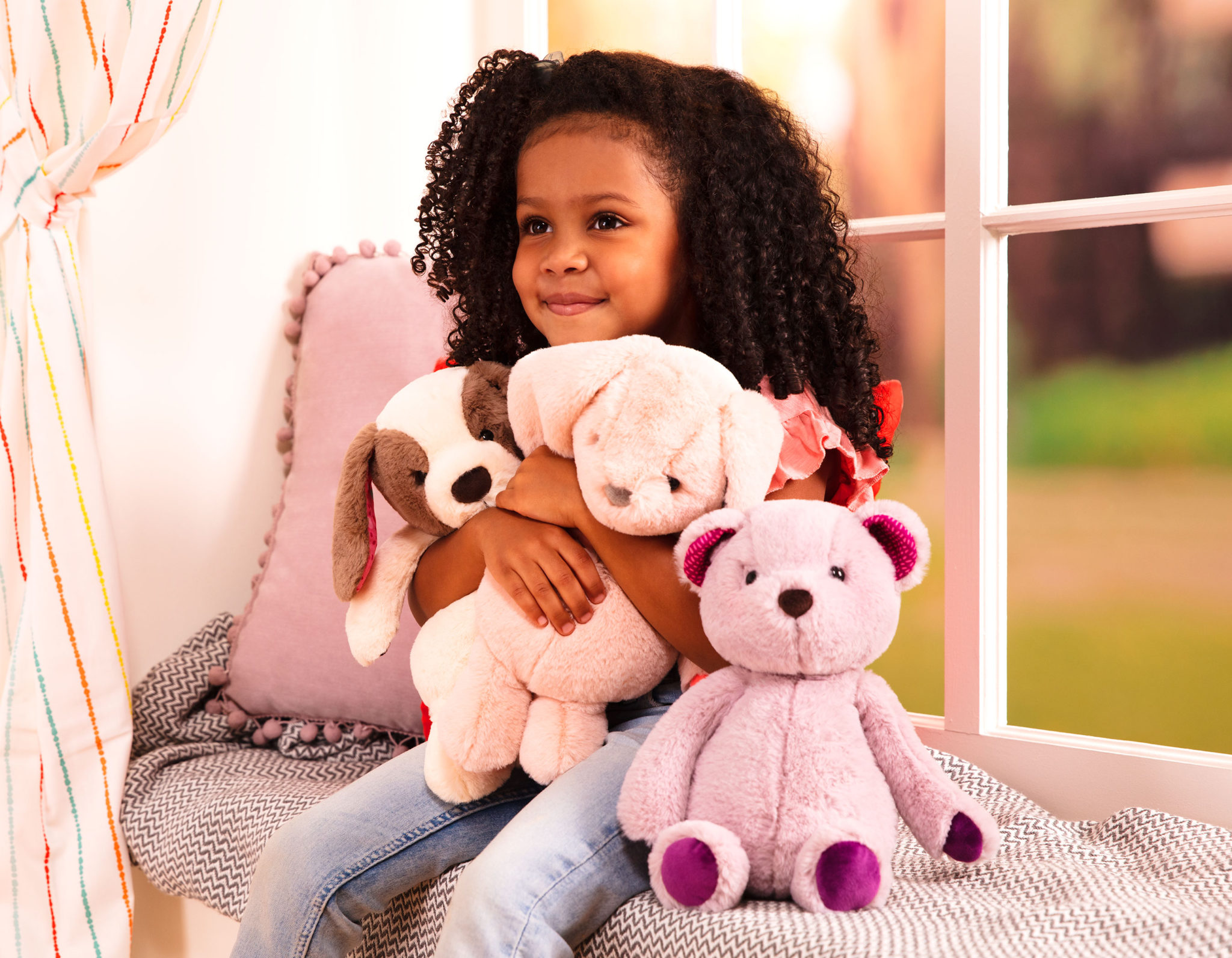
In a child’s early years, emotional development is just as important as physical and cognitive growth. While parents and caregivers play the biggest role, soft toys quietly become powerful emotional companions—often without adults realizing their impact.
From providing comfort during stressful moments to supporting imagination and empathy, soft toys help shape how children understand and express their emotions.
1. Soft Toys Create a Sense of Security and Comfort
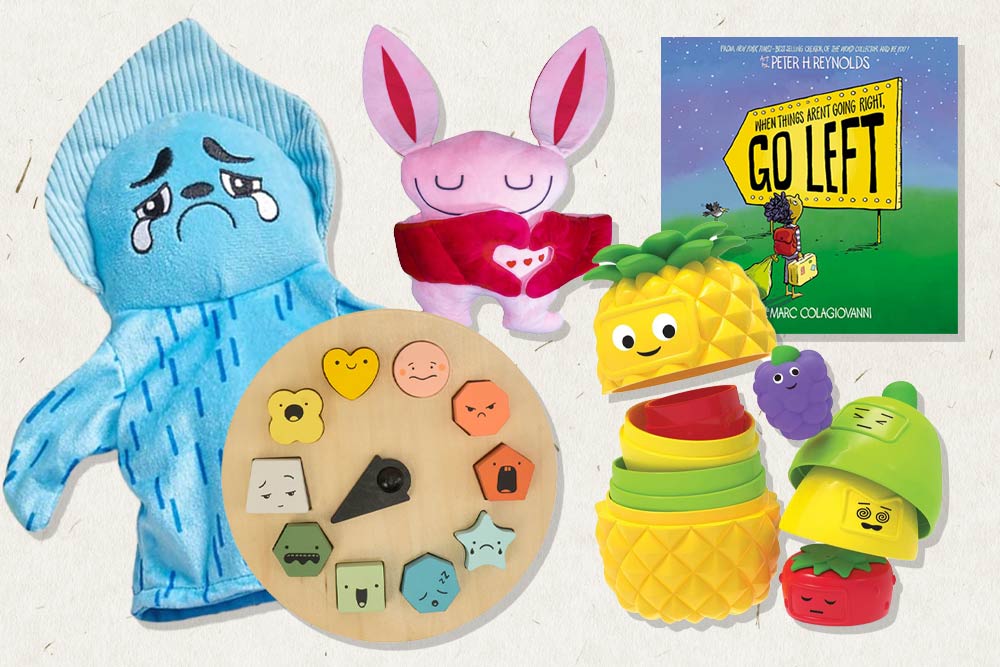
For many children, a soft toy becomes a constant source of reassurance. Whether it’s bedtime, a new environment, or a moment of anxiety, hugging a familiar plush toy helps children feel safe.
Psychologists often refer to these as transitional objects—items that help children move from dependence to independence. A soft toy offers emotional stability when parents are not immediately present.
Why it matters:
Feeling secure helps children regulate emotions like fear, sadness, and uncertainty from an early age.
2. Encourages Emotional Expression Through Play
Children may not always have the words to express how they feel. Soft toys give them a safe outlet to communicate emotions indirectly.
Through pretend play, kids:

- Talk to their toys
- Share worries or happiness
- Act out real-life situations
This kind of imaginative play helps children process emotions, understand relationships, and practice emotional responses in a non-threatening way.
3. Builds Empathy and Nurturing Behavior

When children care for their soft toys—feeding them, tucking them into bed, or comforting them—they’re learning empathy and responsibility.
These nurturing actions mirror real emotional connections and help children:
- Understand others’ feelings
- Develop kindness and compassion
- Build early social skills
This emotional learning becomes the foundation for healthy relationships later in life.
4. Helps Children Cope With Stress and Change
Big changes like starting school, traveling, or adjusting to new routines can feel overwhelming for young children. A soft toy acts as an emotional anchor during these transitions.
Holding a familiar toy can:
- Reduce separation anxiety
- Offer comfort in unfamiliar environments
- Help children self-soothe naturally
Over time, this teaches children emotional resilience and coping skills.
5. Supports Better Sleep and Emotional Regulation
Many children associate soft toys with bedtime comfort. Sleeping with a favorite plush toy can help kids:
- Fall asleep faster
- Feel relaxed and calm
- Wake up feeling secure
Quality sleep plays a crucial role in emotional regulation, mood balance, and overall mental well-being.
6. Why Choosing the Right Soft Toy Matters
Not all soft toys are created equal. Safe materials, gentle textures, and child-friendly designs are essential—especially for younger children.
Parents are increasingly choosing trusted, quality-focused toy brands that prioritize safety and emotional value over flashy features. Thoughtfully curated toy collections—like those offered by reliable online stores—ensure children get toys that are both comforting and developmentally supportive.
Final Thoughts
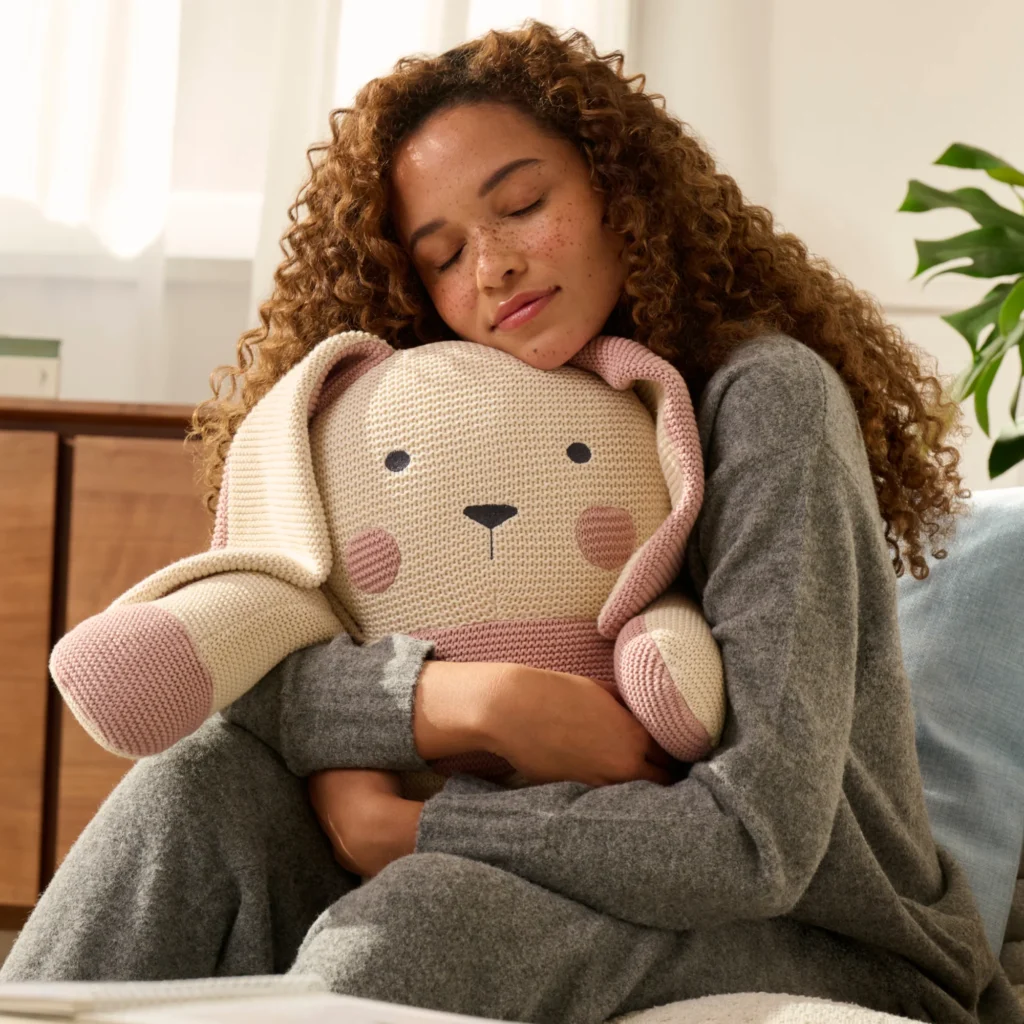
Soft toys are far more than cute companions. They help children feel understood, secure, and emotionally confident during their most formative years. By supporting emotional expression, empathy, and comfort, soft toys play a quiet but powerful role in shaping a child’s emotional world.
Sometimes, the smallest hug—from the softest toy—can make the biggest difference. VanityX.